John Owen, in his work The Death of Death in the Death of Christ emphasizes the main difference between the old and new covenants:
And this is the main difference between the old covenant of works and the new one of grace, that in that (he Lord did only require the fulfilling "of the condition prescribed, but in this be promised to effect it in himself with whom the covenant is made. And without this spiritual efficacy, the truth is, the new covenant would be as weak and unprofitable, for the end of a covenant (the bringing of us and binding of us to God), as the old. For in what consisted the weakness and unprofitableness of the old covenant, for which God in his mercy abolished it? Was it not in this, because, by reason of sin, we were no way able to fulfil the condition thereof, " Do this, and live?" Otherwise the connection is still true, that " he that doeth these things shall live." And are we of ourselves any way more able to fulfil the condition of the new covenant? Is it not as easy for a man by his own strength to fulfil the whole law, as to repent and savingly believe the promise of the gospel? (237)
The main difference being the promise of the Lord who effects in his chosen ones the condition prescribed in the new covenant. For indeed, it would be just as easy for a man to fulfill the whole law as opposed to repent and savingly believe in Christ. In either case, without help, without grace, we are doomed to be unsuccessful.
Showing posts with label The Death of Death. Show all posts
Showing posts with label The Death of Death. Show all posts
Friday, May 8, 2009


Wednesday, April 29, 2009
For what purpose did Christ die?
In chapter 4 of book 2 in The Death of Death in the Death of Christ, John Owen summarizes the purpose or 'end' for which Christ died as well as the products of the event:
"God, out of his infinite love to his elect, sent his dear Son in the fulness of time, whom he had promised in the beginning of the world, and made effectual by that promise, to die, pay a ransom of infinite value and dignity, for the purchasing of eternal redemption, and bringing unto himself all and every one of those whom he had before ordained to eternal life, for the praise of his own glory." (231)
To this summary he adds a few assertions for clarity:
First, The fountain and cause of God's sending Christ is his eternal love to his elect, and to them alone; which I shall not now farther confirm, reserving it for the second general head of this whole controversy. (231)
Secondly, The value, worth, and dignity of the ransom which Christ gave himself to be, and of the price which he paid, was infinite and immeasurable; fit for the accomplishing of any end and the procuring of any good, for all and every one for whom it was intended, had they been millions of men more than ever were created. (231)
Thirdly, The intention and aim of the Father in this great work was, a bringing of those many sons to glory, — namely, his elect, whom by his free grace he had chosen from amongst all men, of all sorts, nations, and conditions, to take them into a new covenant of grace with himself, the former being as to them, in respect of the event, null and abolished ; of which covenant Jesus Christ is the first and chief promise, as he that was to procure for them all other good things promised therein, as shall be proved. (231-2)
Fourthly, The things purchased or procured for those persons, — which are the proper effects of the death and ransom of Christ, in due time certainly to become theirs in possession and enjoyment, — are, remission of sin, freedom from wrath and the curse of the law, justification, sanctification, and reconciliation with God, and eternal life; for the will of his Father sending him for these, his own intention in laying down his life for them, and the truth of the purchase made by him, is the foundation of his intercession, begun on earth and continued in heaven ; whereby he, whom his Father always hears, desires and demands that the good things procured by him may be actually bestowed on them, all and every one, for whom they were procured. (232)
Owen may be accused of being verbose, but he cannot be accused of trifling with this matter. He is thorough to a fault. I think this approach indicates the seriousness with which he undertook this writing. For him, this polemic was integral to the life of the gospel.
"God, out of his infinite love to his elect, sent his dear Son in the fulness of time, whom he had promised in the beginning of the world, and made effectual by that promise, to die, pay a ransom of infinite value and dignity, for the purchasing of eternal redemption, and bringing unto himself all and every one of those whom he had before ordained to eternal life, for the praise of his own glory." (231)
To this summary he adds a few assertions for clarity:
First, The fountain and cause of God's sending Christ is his eternal love to his elect, and to them alone; which I shall not now farther confirm, reserving it for the second general head of this whole controversy. (231)
Secondly, The value, worth, and dignity of the ransom which Christ gave himself to be, and of the price which he paid, was infinite and immeasurable; fit for the accomplishing of any end and the procuring of any good, for all and every one for whom it was intended, had they been millions of men more than ever were created. (231)
Thirdly, The intention and aim of the Father in this great work was, a bringing of those many sons to glory, — namely, his elect, whom by his free grace he had chosen from amongst all men, of all sorts, nations, and conditions, to take them into a new covenant of grace with himself, the former being as to them, in respect of the event, null and abolished ; of which covenant Jesus Christ is the first and chief promise, as he that was to procure for them all other good things promised therein, as shall be proved. (231-2)
Fourthly, The things purchased or procured for those persons, — which are the proper effects of the death and ransom of Christ, in due time certainly to become theirs in possession and enjoyment, — are, remission of sin, freedom from wrath and the curse of the law, justification, sanctification, and reconciliation with God, and eternal life; for the will of his Father sending him for these, his own intention in laying down his life for them, and the truth of the purchase made by him, is the foundation of his intercession, begun on earth and continued in heaven ; whereby he, whom his Father always hears, desires and demands that the good things procured by him may be actually bestowed on them, all and every one, for whom they were procured. (232)
Owen may be accused of being verbose, but he cannot be accused of trifling with this matter. He is thorough to a fault. I think this approach indicates the seriousness with which he undertook this writing. For him, this polemic was integral to the life of the gospel.
Saturday, April 25, 2009
The proper end and effect of the death of Christ
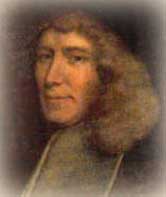
Owen repeats a definition of the what the end of Christ's death is:
The end of the death of Christ we asserted, in the beginning of our discourse, to be our approximation or drawing nigh unto God; that being a general expression for the whole reduction and recovery of sinners from the state of alienation, misery, and wrath, into grace, peace, and eternal communion with him. (201)
The ultimate end of the death of Christ is indicated by Owen:
The first is the glory of God, or the manifestation of his glorious attributes, especially of his justice, and mercy tempered with justice, unto us. The Lord doth necessarily aim at himself in the first place, as the chiefest good, yea, indeed, that alone which is good; that is, absolutely and simply so, and not by virtue of communication from another: and therefore in all his works, especially in this which we have in hand, the chiefest of all, he first intends the manifestation of his own glory; which also he fully accomplisheth in the close, to every point and degree by him intended.(201)
The chief end of the death of Christ was the glory of God because "the Lord doth necessarily aim at himself in the first place". I can hear an 'amen' from Piper on that phrase.
Owen gives a secondary end of the death of Christ a littler further on:
There is an end of the death of Christ which is intermediate and subservient to that other, which is the last and most supreme, even the effects which it hath in respect of us, and that is it of which we now treat; which, as we before affirmed, is the bringing of us unto God. (202)
And we can see the benefit for us rendered when Christ glorified his Father. What blessings would we see in the lives of the people around us if we would seek God's glory first?
Wednesday, April 22, 2009
Limited Atonement
In my continuing study of the Doctrines of Grace I have decided to read The Death of Death in the Death of Christ by John Owen. I first read of this book via the pen of J. I. Packer and committed to reading a book that was praised by one such as Packer.
In chapter 3, Owen produces an oft-referred to quote concerning limited atonement. Owen poses the premise that "God imposed his wrath due unto, and Christ underwent the pains of hell for, either all the sins of all men, or all the sins of some men, or some sins of all men." (174)
In regards to the notion that Christ died for all the sins of all men Owen responds:
"then, are not all freed from the punishment of all their sins? You will say, " Because of their unbelief; they will not believe." But this unbelief, is it a sin, or not? If not, why should they be punished for it? If it be, then Christ underwent the punishment due to it, or not. If so, then why must that hinder them more than their other sins for which he died from partaking of the fruit of his death? If he did not, then did he not die for all their sins. Let them choose which part they will." (174)
I am wondering what the opposing view would produce as an answer to that. I have none.
In chapter 3, Owen produces an oft-referred to quote concerning limited atonement. Owen poses the premise that "God imposed his wrath due unto, and Christ underwent the pains of hell for, either all the sins of all men, or all the sins of some men, or some sins of all men." (174)
In regards to the notion that Christ died for all the sins of all men Owen responds:
"then, are not all freed from the punishment of all their sins? You will say, " Because of their unbelief; they will not believe." But this unbelief, is it a sin, or not? If not, why should they be punished for it? If it be, then Christ underwent the punishment due to it, or not. If so, then why must that hinder them more than their other sins for which he died from partaking of the fruit of his death? If he did not, then did he not die for all their sins. Let them choose which part they will." (174)
I am wondering what the opposing view would produce as an answer to that. I have none.
Subscribe to:
Comments (Atom)